
HoneyBook Workflows Explained: How to Build Systems That Actually Support Your Business (Not Just Look Pretty)
If you’ve ever opened HoneyBook, stared at your workflows, and thought, “I think this is working… but I’m not totally sure,” you’re not alone, and this is for you.
HoneyBook is an incredibly powerful CRM for wedding professionals and small business owners juggling inquiries, contracts, invoices, timelines, and communication. But here’s what many business owners discover after a few busy seasons:
Having HoneyBook set up is not the same as having HoneyBook set up well.
A workflow that exists is not necessarily a workflow that supports your growth.
So let’s break down what HoneyBook workflows really are, how to build them strategically, and how to turn your system into something that actively supports your business instead of quietly draining your energy- in the words of a certified HoneyBook PRO.
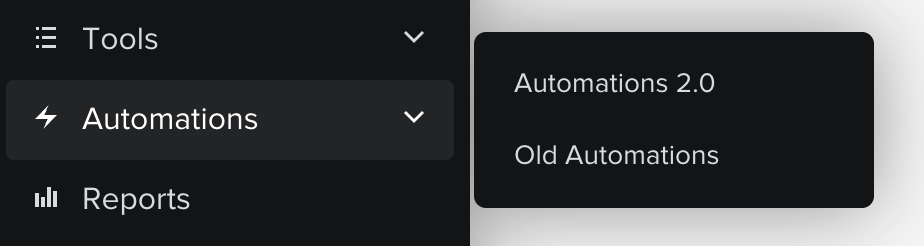
What Are HoneyBook Workflows? (Understanding HoneyBook Workflows for Small Business Owners)
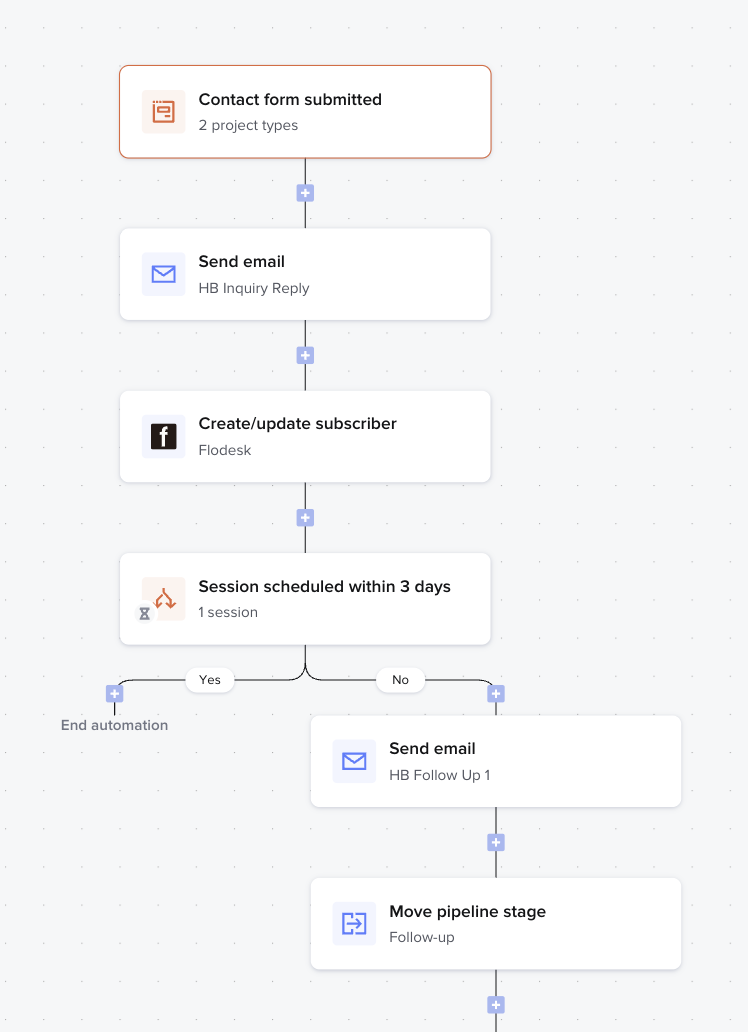
A HoneyBook workflow is the structured sequence of steps that guides your client from initial inquiry to final payment and follow-up.
It controls:
When emails are sent
When tasks are triggered
When files are delivered
When invoices go out
When follow-ups happen
In other words, your workflow is the backbone of your client experience.
For wedding professionals especially, where timelines are long and communication is constant, workflows ensure:
No inquiry slips through the cracks
Clients always know what comes next
You are not manually tracking every milestone
When workflows are unclear or incomplete, business owners often feel reactive instead of proactive. They check their inbox constantly. They second-guess whether something was sent. They carry a huge mental load and can fall victim to human error-no judgment here.
That is not sustainable growth. That is survival mode, and I’m here to get you out of it.
Why Most HoneyBook Workflows Don’t Work (Common HoneyBook Workflow Mistakes)
Here’s the part no one really talks about: you can follow all the steps to build a HoneyBook workflow and still end up with something that doesn’t work in real life.
Most struggling workflows:
Were built from generic templates that don’t get you
Do not reflect actual service offerings/industry
Do not match how your clients behave and interact
Are over-automated or under-automated
Were never updated as the business evolved
For example, a photographer might automate pricing immediately after inquiry, but realize later that high-end clients prefer a consult call first. Or a planner may build a workflow before adding new service tiers, and now nothing aligns properly.
The result?
You override your own system.
When you override your workflow regularly, HoneyBook stops feeling supportive and starts feeling like something you “have to manage.”
That is a red flag that your system needs refinement. This is also where I step in as a HoneyBook PRO to say, “it really doesn’t have to be this way.” Listen and learn, we got this.
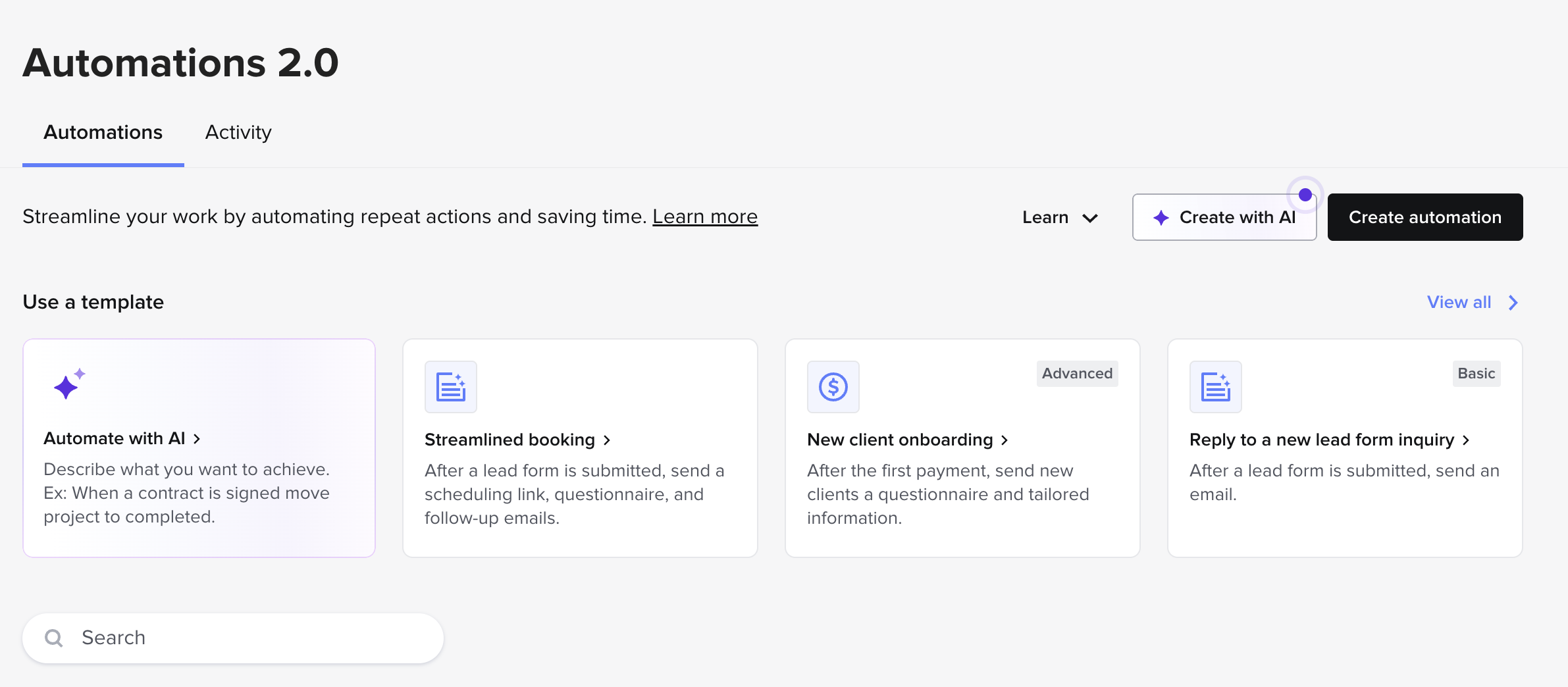
How to Build an Effective HoneyBook Workflow (Step-by-Step Strategy for Wedding Pros and Independent Contractors)
Before touching automations or templates, start here:
Step 1: Map Your Real Client Journey
Write down what actually happens from inquiry to offboarding. Not what you wish happened.
Ask:
When do I send pricing?
When do I schedule consults?
When do contracts and invoices go out?
What questions do clients consistently ask?
Where do I want to be hands-on with my clients instead of letting the system take over?
Your workflow must mirror reality. Otherwise, it will always feel off.
Step 2: Identify Automation Opportunities
Automate:
Initial inquiry acknowledgment
Booking confirmation
Payment reminders
Timeline reminders
Offboarding follow-ups
Do not automate:
Emotional or highly personalized touchpoints
Complex package negotiations
High-touch consultation conversations
Automation should remove repetition, not remove connection.
Step 3: Simplify Before You Add
Many wedding professionals overbuild workflows.
You do not need:
12 automation steps for a single stage
Multiple duplicated templates
Three reminder emails for one invoice
Complexity does not equal sophistication. Clarity does.
Signs Your HoneyBook Workflow Needs an Update (When to Audit Your HoneyBook Setup)
Now, as a quick pulse check, if any of the following sound familiar it may be time for a workflow audit:
You manually send emails that should be automated
You constantly double-check project stages
Clients ask questions your workflow should answer
You avoid using certain automations because they “never quite worked”
You have not reviewed your workflow in over a year
Your business evolves. Your systems must evolve too.
At Sonia Smith Creative, workflow audits are one of the most impactful services we offer because most business owners are too close to their systems to see the gaps clearly.
Led by Sonia Smith herself, a certified HoneyBook PRO, our process focuses on alignment, not just functionality.
Keep reading, or check out our services here.
What a Well-Built HoneyBook Workflow Feels Like
When your workflows are truly aligned, you notice:
Fewer late-night inbox checks
Smoother booking transitions
Clients who feel guided instead of confused
Consistency across every project
More time working on growth instead of admin
That is when HoneyBook becomes infrastructure instead of software. You need pillars in your biz, not more piles of work.
That is when your business starts to feel supported instead of stretched.
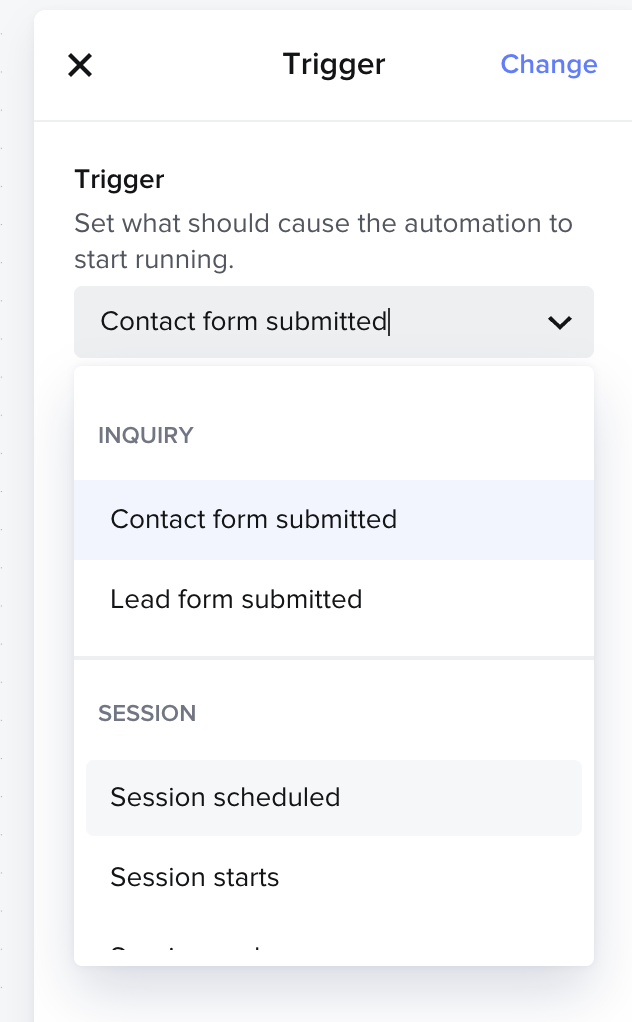
HoneyBook Automation Strategy for Female-Led Wedding Businesses
In many service-based industries, especially the wedding industry, female founders often carry an invisible layer of responsibility beyond tasks.
It can look like:
Remembering that a bride mentioned her grandmother is ill and adjusting timelines with extra sensitivity
Mentally tracking which client needs reassurance and which one needs structure
Rewriting emails three times to make sure the tone feels supportive but still professional
Holding emotional space during stressful planning moments
That kind of labor rarely shows up on a to-do list. But it takes energy.
And when your systems are disorganized, that mental load multiplies.
This is where HoneyBook automation becomes more than a convenience. It becomes a boundary.
Women bring immense value to every field they enter, and the wedding industry is no exception. Women supporting women is a core part of how I run my business. That means acknowledging the unique experiences female professionals navigate, honoring the strengths they bring to the table, and building systems that support those strengths rather than trying to reshape them.
Because the perspective, empathy, leadership, and creativity women contribute to their businesses is not something to be streamlined out of the process. It is the very magic that makes their businesses unforgettable.
A female-led strategic automation system can:
Immediately acknowledge inquiries so you are not tethered to your inbox
Clearly outline next steps so clients feel secure without constant hand-holding
Reinforce payment deadlines and policies so you are not the “bad guy”
Deliver consistent communication and support even when you are deep in event season
When your workflows carry the structural weight, you are free to show up emotionally where it matters most. That balance is not about removing warmth. It is about protecting it.
And for many female business owners in the wedding industry, that distinction is everything.
Stop Operating Below Your Standard
Your HoneyBook workflow is not just a technical setup. It is a reflection of your leadership.
It communicates your boundaries.
It shapes your client experience.
It determines whether your business feels reactive or intentional.
When your workflows are aligned, something shifts. You stop second-guessing yourself. You stop overworking behind the scenes. You stop carrying every moving piece alone.
You did not build your business to operate in constant catch-up mode.
You deserve systems that match the level of excellence you bring to your clients. Systems that reinforce your professionalism. Systems that protect your energy. Systems that rise to meet you.
If your business has evolved, your workflows should evolve with it.
Because growth should feel supported, not stretched.
Ready to Raise the Standard of Your Systems?
At Sonia Smith Creative, we help wedding professionals and small business owners build workflows that actually support how they work. Whether that means a strategic HoneyBook audit, smarter automations, or a full system overhaul. My team and I create structure that protects your time and elevates your client experience.
Led by Sonia Smith, a certified HoneyBook PRO, our team specializes in aligning your systems with the unique professional and business you have grown into.
You have already done the hard part.
Now let your systems rise to meet you.
Explore our HoneyBook services and let’s build something that works as beautifully as you do.